Guide
Why does denim colour vary,
and how do factories keep bulk consistent?
Matching bulk to an approved sample, and matching a reorder months later, is a shade-and-wash problem. It is not a surprise defect.
Indigo, fabric lots, wash batches and hand finishing all move colour. A factory controls it before cutting and in the laundry.
This page is the deep version of the "Fabric lot variation" note in how jeans are made. After reading, you know what to approve and keep on file.
Why does denim colour vary from sample to bulk?
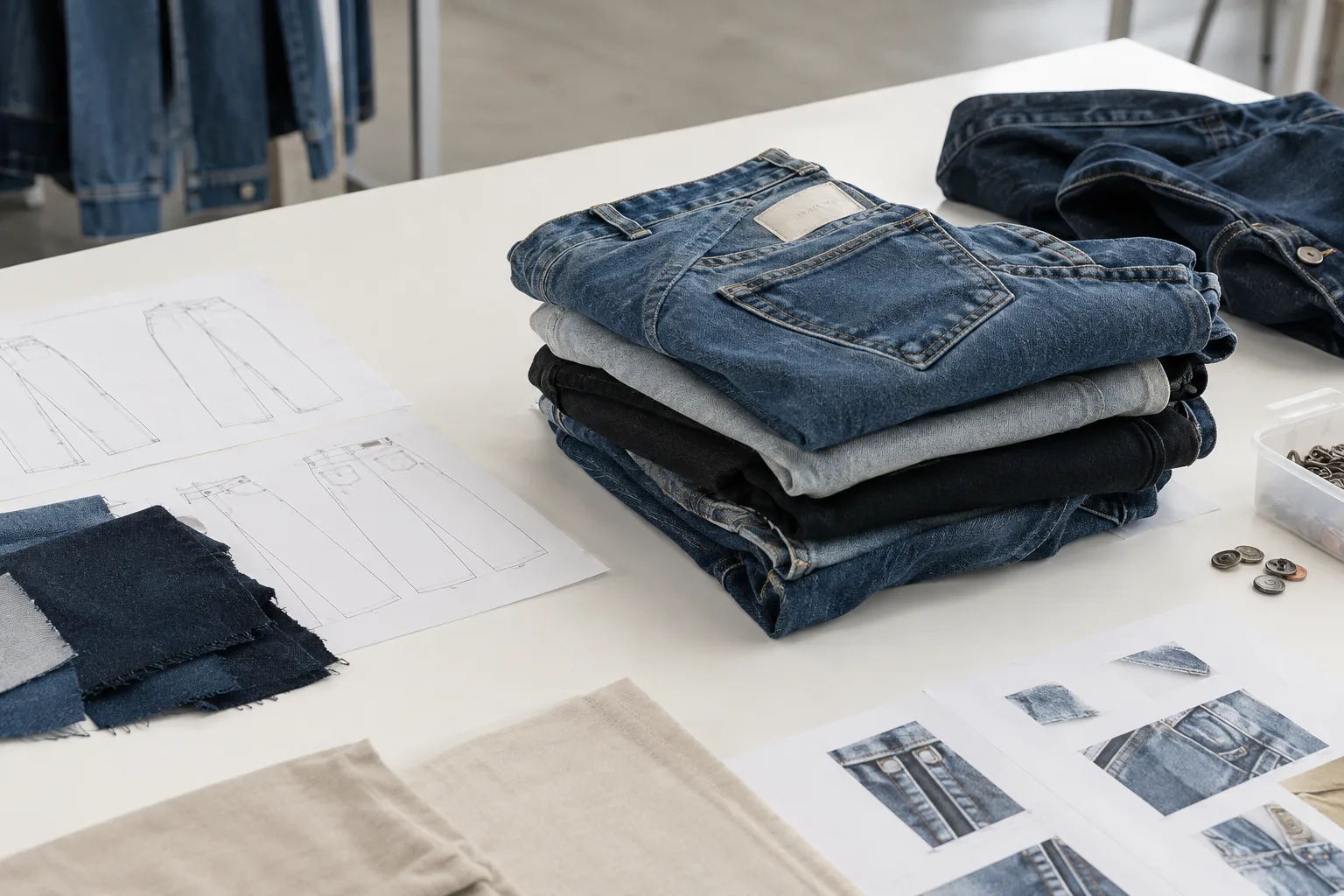
Bulk that does not match the approved sample is usually lot, wash-batch or finishing variation, not a random factory error.
Indigo is a yarn dye that never sits perfectly evenly. Cotton, lots and wet processing all move the result. That stacked movement is denim shade variation.
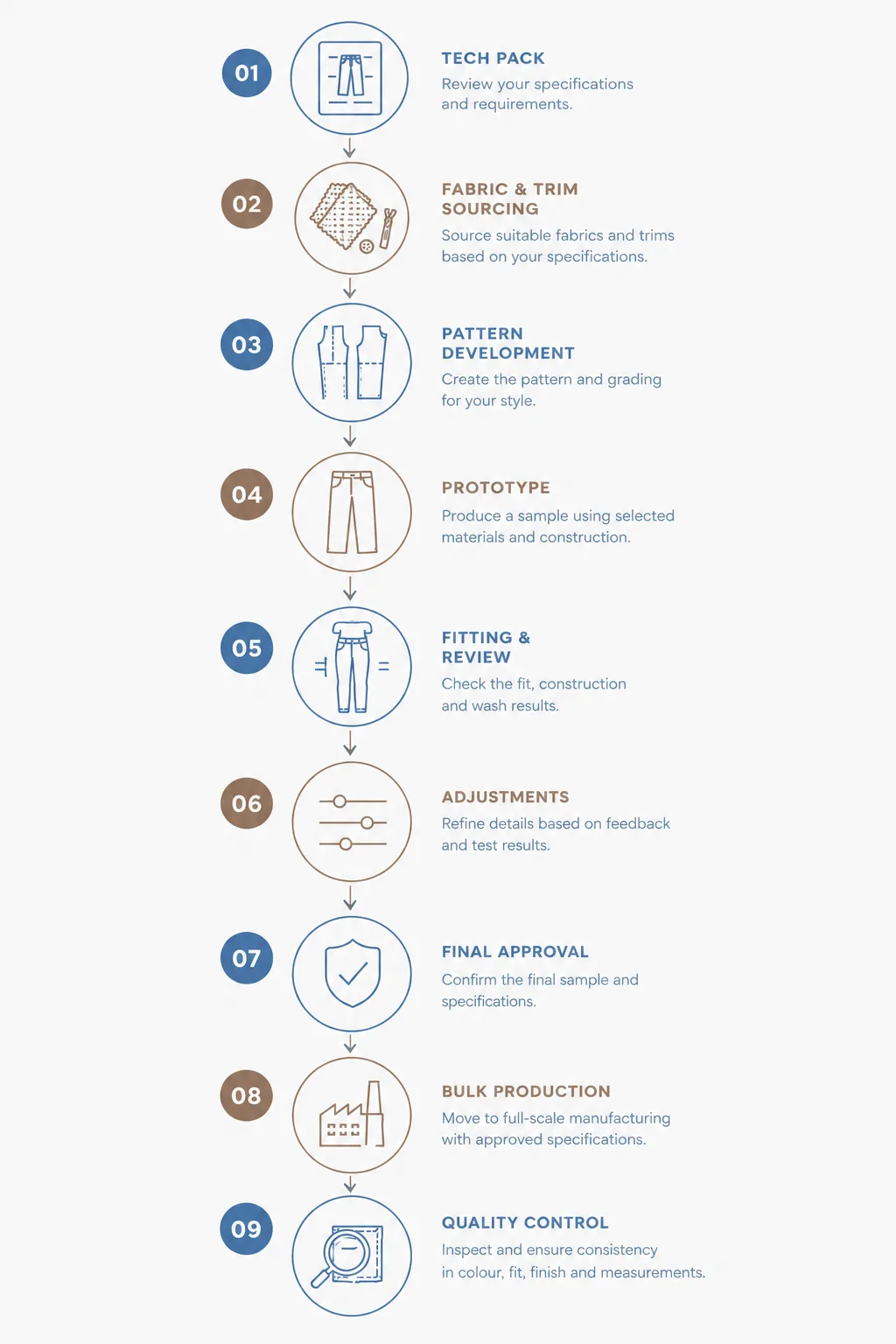
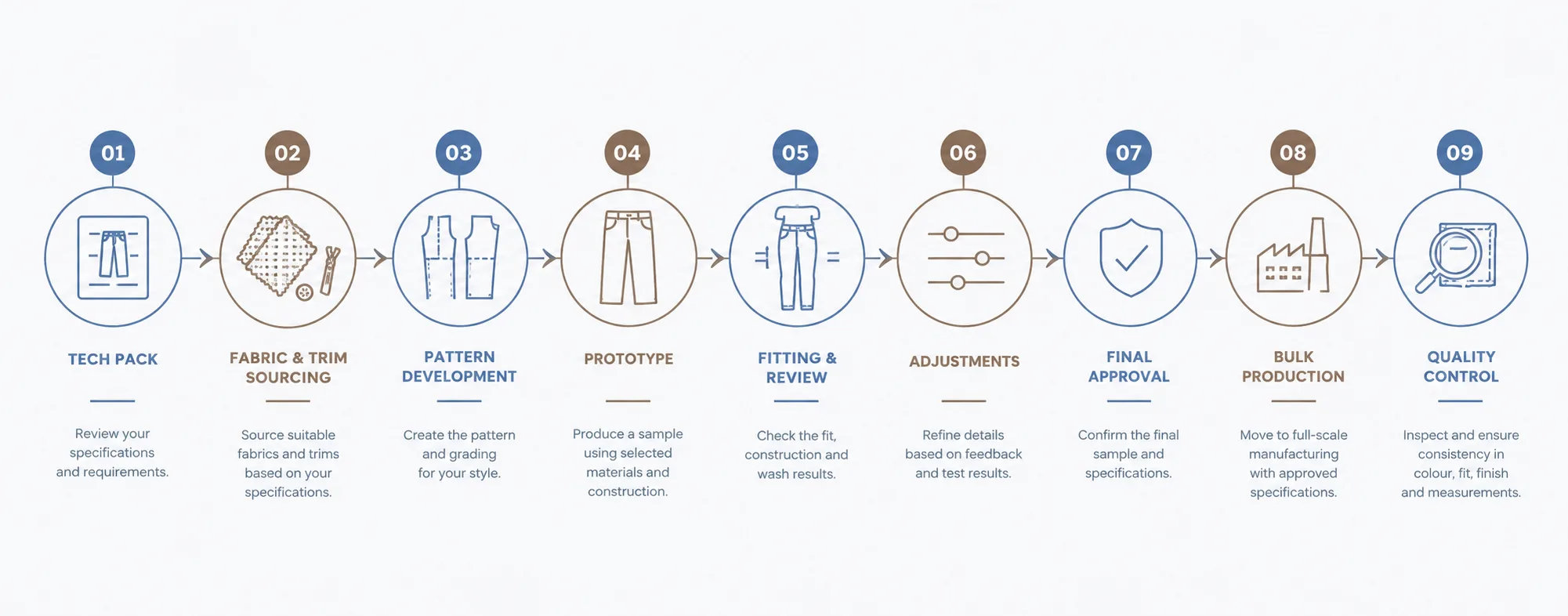
Control points sit at fabric intake, cutting, washing and QC. They are marked on the nine-step diagram.
How jeans are made is the process overview. This guide covers shade matching in depth. The "Fabric lot variation" note on that page is the short version.
After this guide you should expect shade bands, a master sample and a written tolerance, not identical pairs.
What makes indigo denim shade vary
Six sources, often stacked on one order.
1. Indigo dye lots and fabric rolls
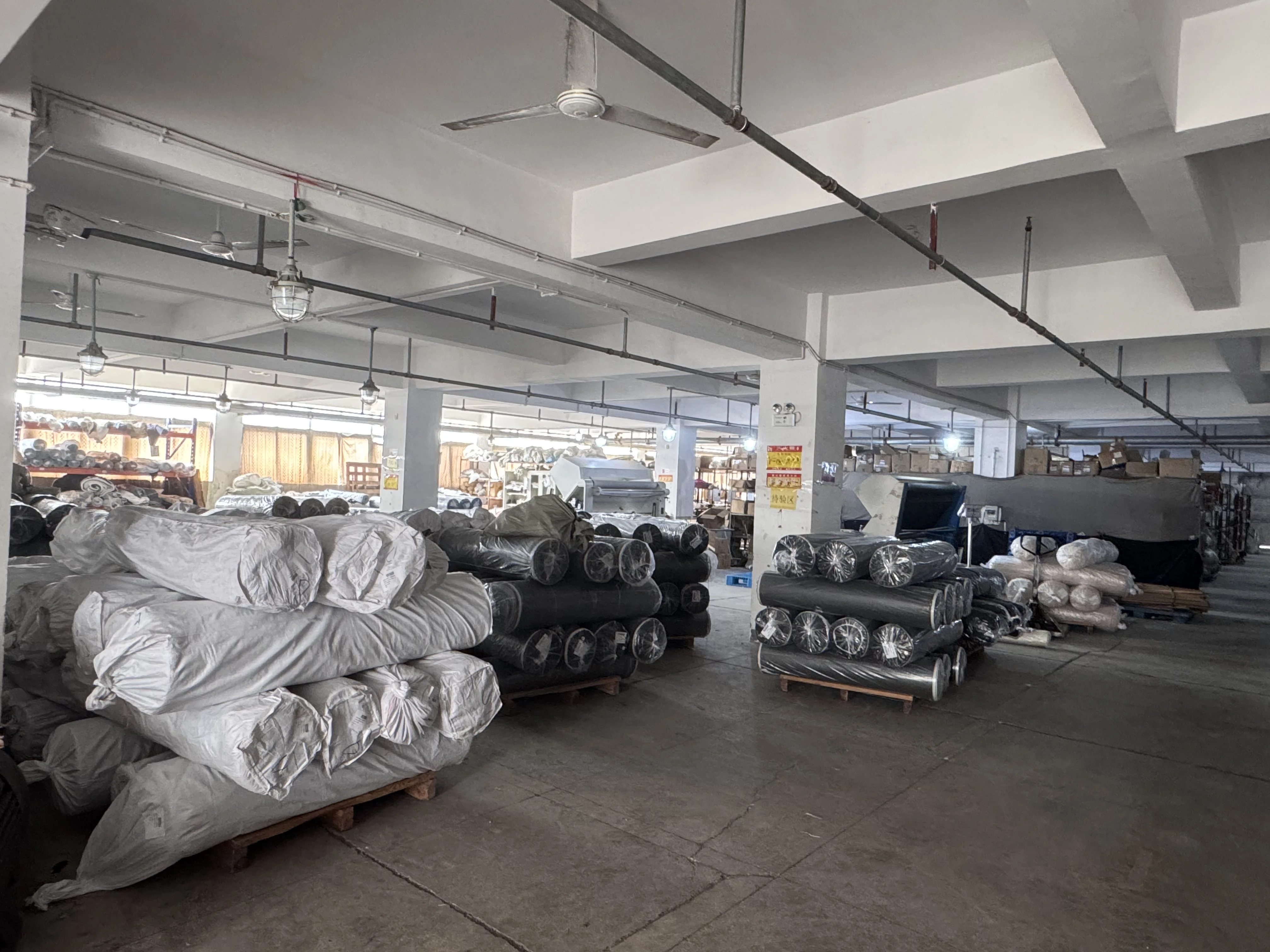
The same mill and the same quality can still differ between dye lots. Neighbouring rolls can differ too. Lots are checked on arrival.
Dye and cast as a fabric choice sit in denim fabric weights. Matching bulk is a different job from choosing a shade.
2. Cotton variation
Cotton is a natural fibre. Take-up of indigo is not identical from bale to bale.
3. Wash batch size and machine loading
The same wash recipe on a half-full or overloaded drum does not give the same abrasion and colour.
What each wash does is in custom denim washes. Repeatability of a given recipe is the issue here.
4. Chemical and water variation
Chemistry, temperature, time and water all move indigo reduction. Holding those settings steady is ordinary laundry practice.
5. Operator hand-work
Sanding, whiskering, grinding and PP spray vary with the operator. Laser files and ozone programmes do not.
6. Stretch fibres
Elastane and blends can take wash and dye differently from rigid cotton. For size, growth and recovery, read denim shrinkage and stretch recovery. Colour and cast stay on this guide.
Shade control before cutting: bands, sorting and matching panels
Colour control starts on the rolls, before a garment is sewn. Skipping this is why a leg and a back pocket can mismatch.
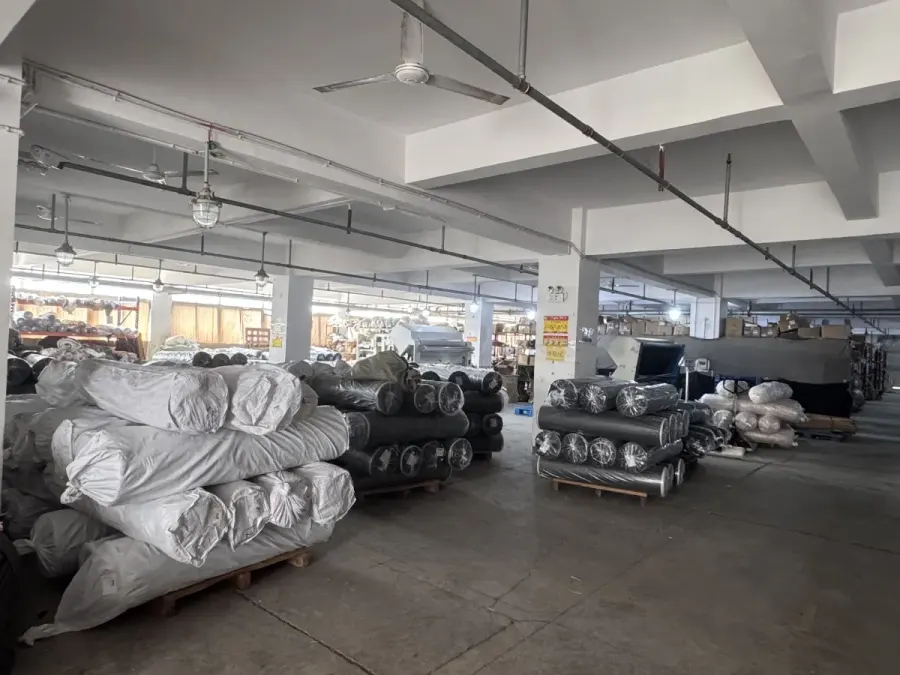
1. Shade bands / blankets from fabric rolls
Cut a strip from each roll. Sew or tape the strips into a band. View the band together under steady light. The band is the map of the lot, not a marketing swatch.
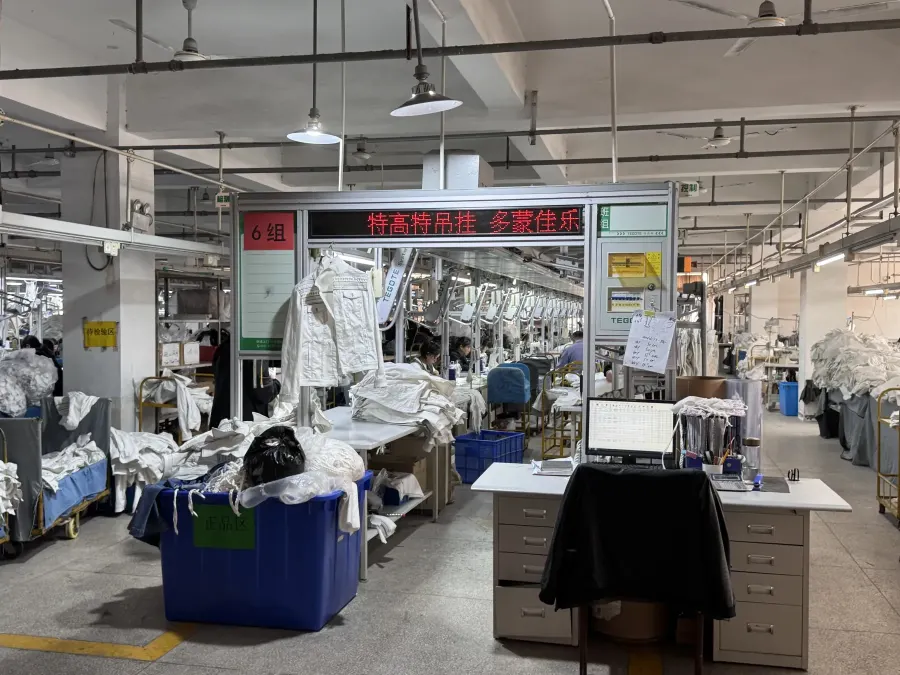
2. Shade-sort rolls into groups
Group rolls that sit together. Do not mix groups in one cut. If this step is skipped, inspectors class it as shading between rolls. See denim quality control and AQL inspection.
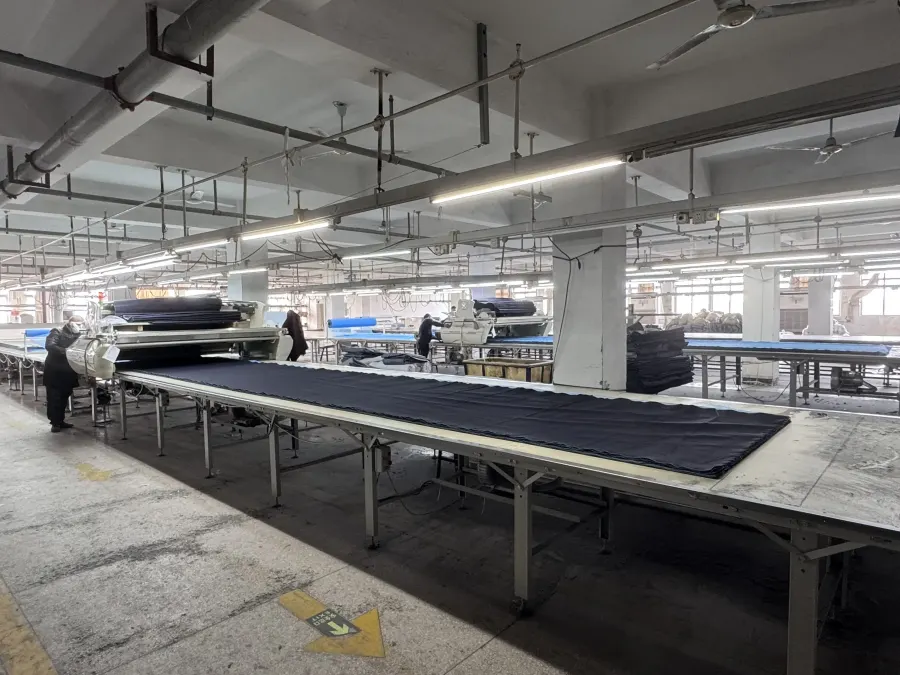
3. Cut one garment from one shade group
Every panel of a pair (legs, pockets, yoke, waistband) comes from the same group. Bundling by lot is already part of how jeans are made at the cutting stage. The reason is simple: a pocket cut from a different group will not match the leg.
Wash recipes, master samples and repeatable settings
A written wash recipe (process, times, chemistry, loading and drying) is the laundry equivalent of a tech pack line. Wash and finishing details belong in what is a denim tech pack.
An approved wash standard, or master sample, is locked at sampling. Bulk is compared with it. Denim sampling explained covers wash review and final approval.
Lab dips for wash are small wash-offs used to hit a colour before bulk drums. They are common laundry practice.
Laser files and ozone settings are repeatable digital recipes. Hand finishing is not. Top Mondial has laser machines and ozone treatment. The techniques themselves sit in custom denim washes.
What you keep on file is the approved sample, the recipe and the fabric reference. A reorder depends on that file.
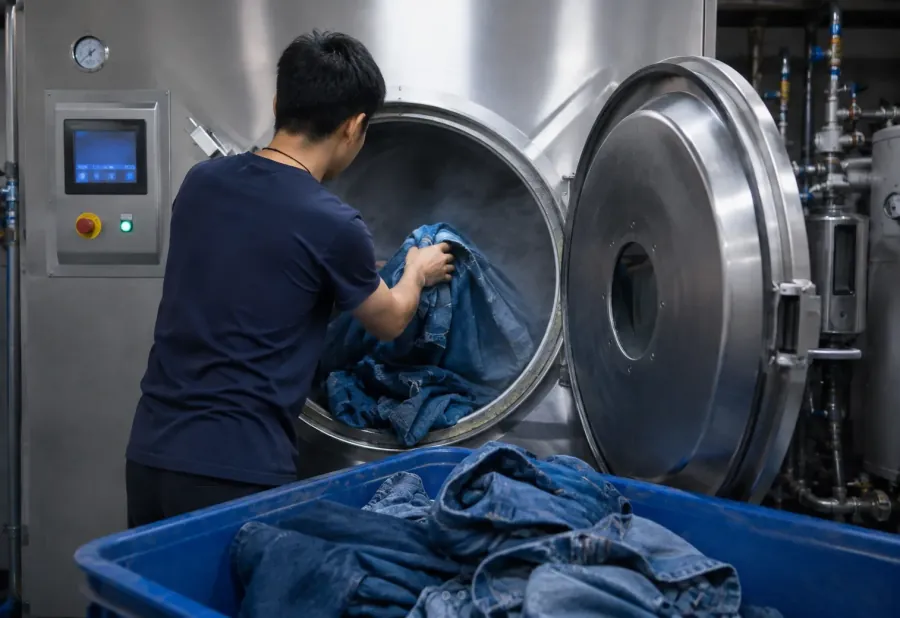
Repeatable recipes versus hand finishing
One wash often mixes both. That mix sets how tightly bulk can match the sample. Premium and complex-wash styles need tighter documentation. Laser, ozone, sanding and whiskering as techniques sit in custom denim washes.
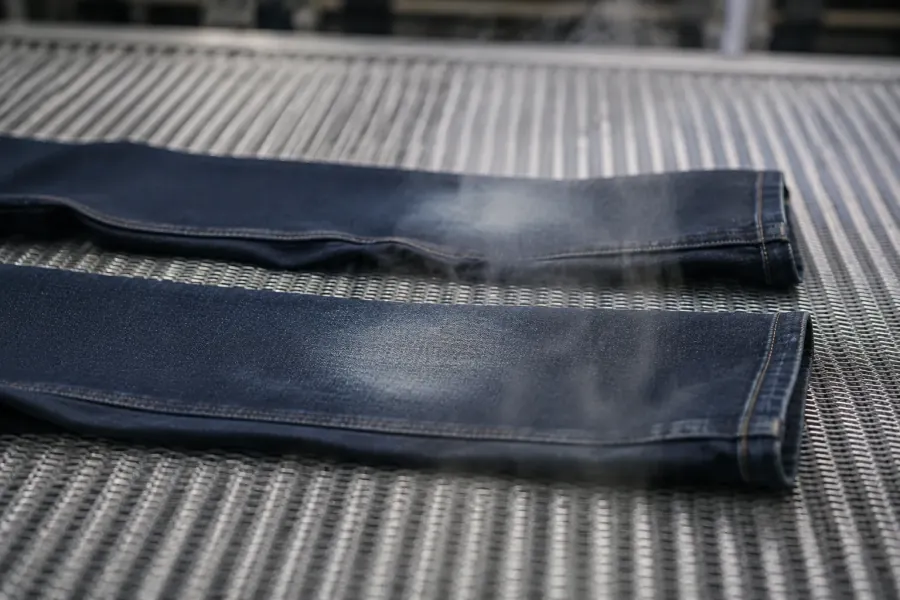
Repeatable recipes
Written recipes and digital programmes are easier to hit again on the next drum and the next season.
What gets locked
- A written wash recipe
- A laser file
- An ozone programme
- The same machine loading


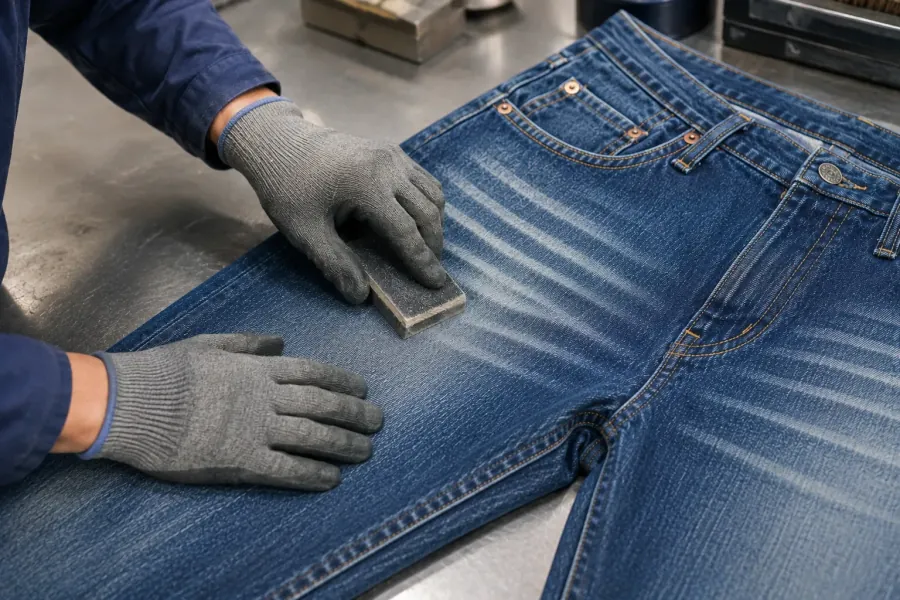
Hand finishing
Hand work gives more character and more operator variation. It needs extra limit samples and QC, not a verbal "make it like last time".
What varies
- Sanding
- Whiskering
- Grinding
- Local spray
How brands and factories agree a shade range
Identical bulk is the wrong ask. Agree an acceptable range: a light-limit sample and a dark-limit sample, plus the master in the middle.
Grey-scale for colour change is a common language for how far a washed piece may sit from the standard. Grey scale for crocking staining, used in QC, is a different job: it grades colour transferred onto a white cloth, not how close a wash sits to the master.
Checks belong under standard light sources in a light box. That is good practice. QC already says to compare under steady light against the approved shade standard.
Put the range in the order with the approved sample. Denim quality control and AQL inspection covers shade and wash inconsistency as inspection defects (major, or major-or-minor). Those inspectors work from the range you set here.
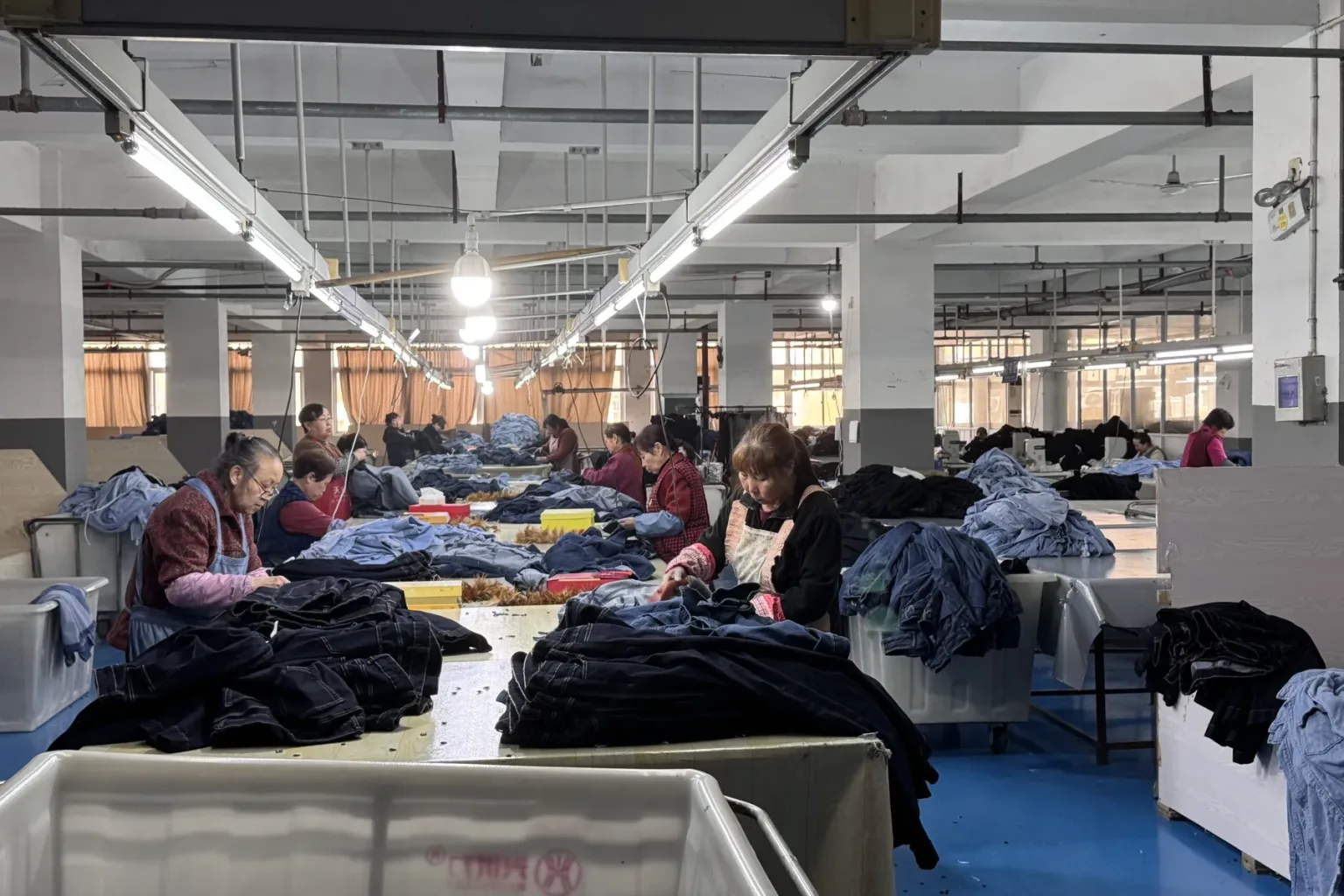
How to keep a reorder matching months later
Keep on file: the master sample, the written recipe, and a fabric reference (quality, mill, lot identity as agreed). Without those, a reorder is a new development.
If the mill changes fabric lot, shade and shrinkage can move even on the "same" quality. Re-check the lot, re-run a wash-off, and re-approve before cutting. The colour can miss even when measurements still pass.
Top Mondial has long-term partnerships with more than 20 fabric mills. That does not remove lot checks.
For a PP sample in bulk fabric, see denim sampling explained. Lock the spec in what is a denim tech pack.
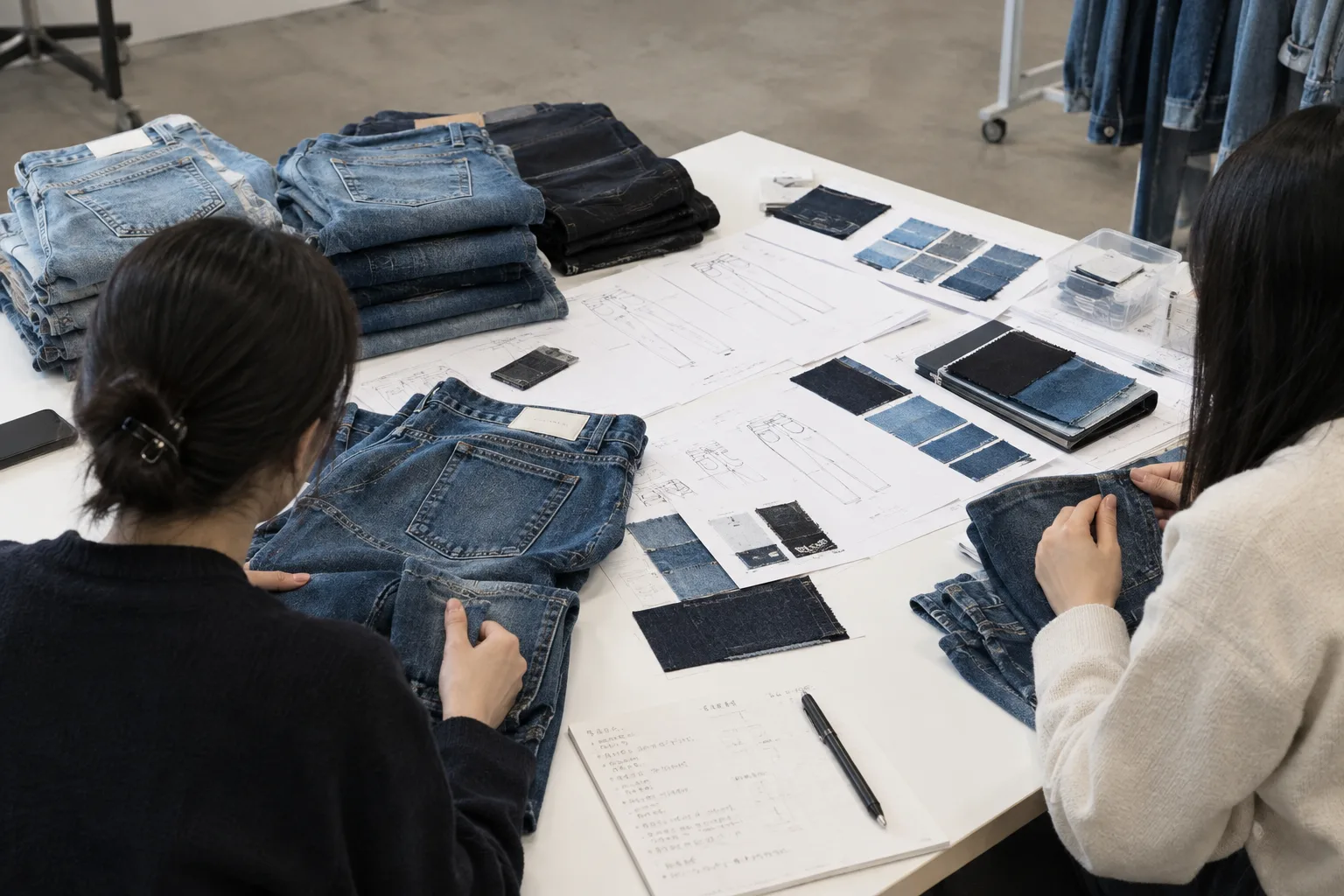
What to ask a factory about shade and wash consistency
- Do you make shade bands from bulk rolls and sort rolls into shade groups before cutting?
- Are all panels of one garment cut from the same shade group?
- Will we approve a master sample and light/dark limit samples, and will bulk be compared with them under standard light?
- Is the wash a written recipe (and laser/ozone file where used), kept for reorders?
- What is kept on file if we reorder in six months, and what happens if the mill lot changes?
- How is shade and wash consistency checked inline and at final inspection? See denim quality control and AQL inspection for how inspectors class those defects.
Write the answers into what is a denim tech pack and the purchase order. QC standards are also one of the checks in how to choose a denim manufacturer.
Shade and wash consistency at Top Mondial
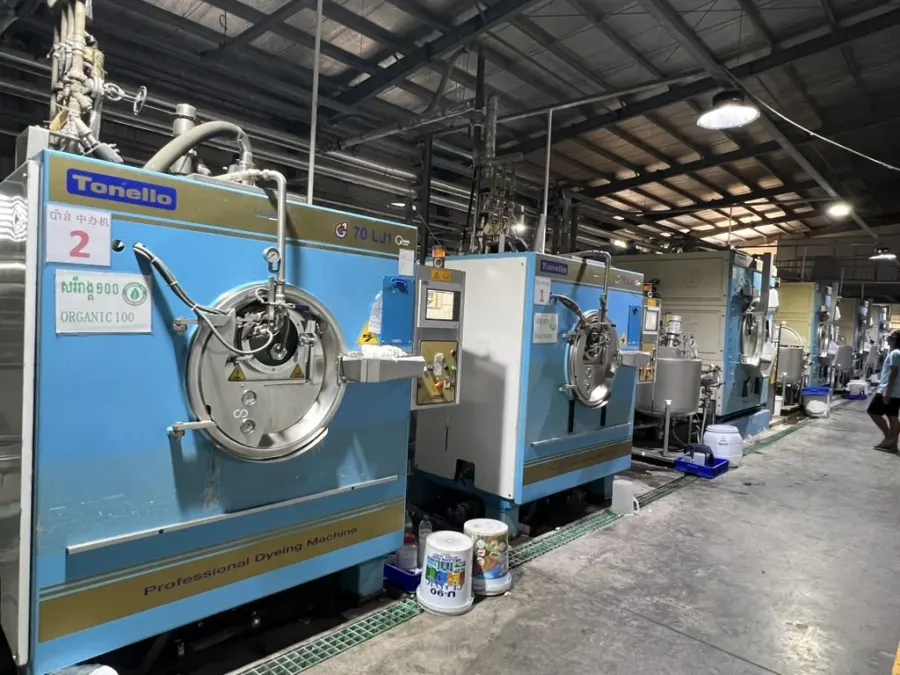
Washes are developed in-house in the dyeing and washing department.
The plants run laser machines, ozone treatment and eco-friendly water treatment.
A dedicated fabric sourcing department holds long-term partnerships with more than 20 fabric mills.
Fabric lots are checked before cutting, and cutting is kept within a lot. Wash results are compared against the approved standard.
Multi-stage inline and end-of-line inspections run during production. Each order gets a final audit before dispatch. Third-party inspection is available if you want an independent check.
Tour the sites on factories. The process overview is how jeans are made. Inspection rules sit in denim quality control and AQL inspection.
Send the tech pack, wash reference and any limit samples. The team will confirm how shade will be controlled on the order.